EN
EN
Drugs Resistant Mouse Embryonic Fibroblasts (DR3, Inactivated)
Introduction
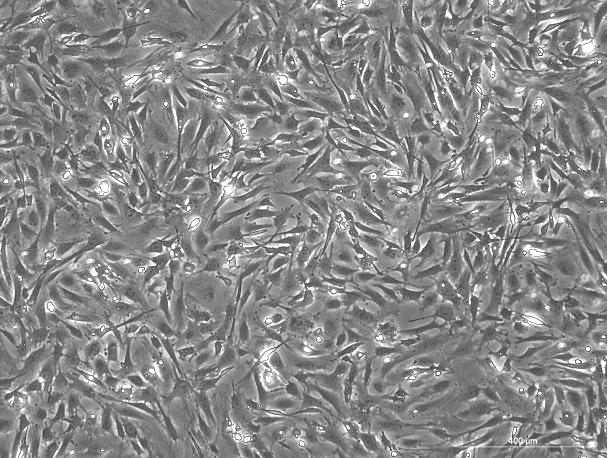
Fibroblasts are cells that primarily secrete extracellular matrix and originate from mesenchymal cells in the embryonic mesoderm. Embryonic fibroblasts are commonly used as feeder cells for embryonic stem cell culture.
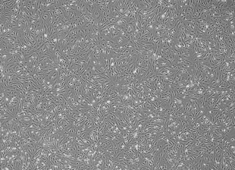
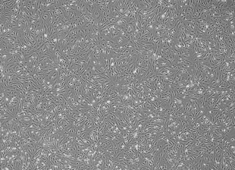
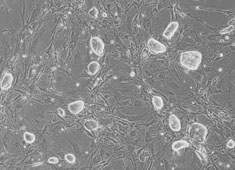
OriCell™ Drugs Resistant Mouse Embryonic Fibroblasts (DR3, Inactivated) are derived from the trunk and limbs of 13.5-day DR3 drug-resistant fetal mice. During monolayer culture, three selection antibiotics (G418, puromycin, and hygromycin) are added. After expansion to passage 1 (P1), the cells are inactivated by γ-irradiation and then cryopreserved. Mouse embryonic fibroblasts (MEFs) serve as feeder cells to support the culture of both mouse and human embryonic stem cells, helping to maintain their undifferentiated state.
When citing our products in academic journals, please indicate "OriCell™ + Catalog Number, from Cyagen Biosciences (Guangzhou) Inc."
Product Information
| Name | OriCell™ Drugs Resistant Mouse Embryonic Fibroblasts (DR3, Inactivated) |
| Catalog Number | MUDEF-01002 |
| Number of Cells | 1×10⁶ cells/vial |
| Passage Number | P1 |
| Storage at | Liquid Nitrogen (-196℃) |
QC
- Pass the detection of bacteria, fungi, mycoplasma, and endotoxins.
- Pass the viability examination. The viable rate is higher than 80%.
- Pass the test of cell ES supporting ability.
Please refer to "COA" for details.
General Handing Principles
- Ensure that all equipment is kept clean and tidy.
- Please follow the instructions.
- Use suitable and reliable consumables and reagents.
- Resuscitate MEF the day before inoculation of embryonic stem cells.
Warm Notice: The cryopreservation solution of this product contains DMSO, which has potential risks. Please handle it carefully.