EN
EN
H9c2 (2-1) Rat Cardiomyocyte Cell Line
Introduction
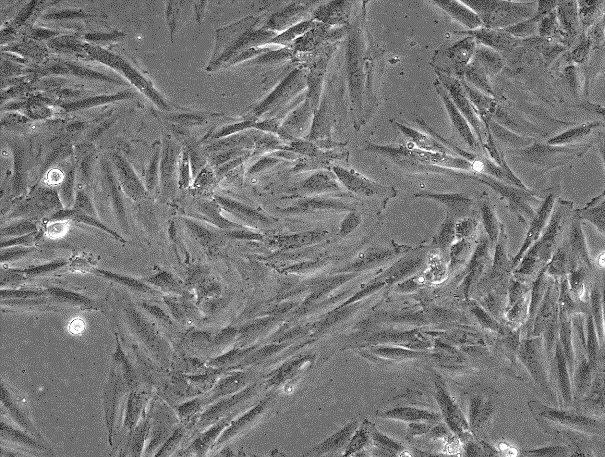
The H9c2 (2-1) rat cardiomyocyte cell line was established by B. Kimes and B. Brandt through subcloning from a parental clonal cell line originally derived from BD1X rat embryonic heart tissue. The cell line exhibits many characteristics of skeletal muscle cells. It has been reported that myoblasts in this cell line can fuse to form multinucleated myotubes and respond to acetylcholine stimulation. Fusion occurs rapidly when the serum concentration in the culture medium is reduced to 1%.
OriCell™ H9c2 (2-1) Rat Cardiomyocyte Cell Line is commonly used in studies of hypoxia/reoxygenation injury, apoptosis, and oxidative stress-induced damage in cardiomyocytes.
When citing our products in academic publications, please use the following format: "OriCell™ [Product Name] + [Catalog Number], from Cyagen Biosciences."
Product Information
| Product Name | OriCell™ H9c2 (2-1) Rat Cardiomyocyte Cell Line |
| Alternative Name | H9c2 (2-1) |
| Catalog Number | R3-0101 |
| Amount of Cells | 1×10⁶ cells/vial |
| Tissue Origin | Rat Myocardium |
| Cell Characteristics | Adherent Growth; Myoblast-like |
| Culture Conditions | 95% air; 5% CO2; 37 ℃ |
| Culture Medium | DMEM + 10% FBS |
| Doubling Time | 42 ~ 52 h |
| Biosafety Level | 1 |
| Storage at | Liquid Nitrogen (-196 ℃) |
| Precautions | —— |
QC
- Pass the detection of bacteria, fungi, mycoplasma, and endotoxins.
- Verified by cell recovery testing, with a post-thaw viability of >90%.
Please refer to "COA" for details.
General Handling Principles
- Maintain strict aseptic technique. Ensure complete sterility throughout all procedures, particularly within the laminar flow hood and incubator.
- Follow standardized protocols. Adhere strictly to the product manual. Implement rigorous control over experimental variables and include appropriate parallel controls.
- Use high-quality consumables and reagents. This product requires culture vessels suitable for adherent growth, and the reuse of these vessels is not recommended. The reagents used must be validated for reliability, cell compatibility, and batch-to-batch consistency.
Warm Notice: The cryopreservation medium of this product contains DMSO, which may pose potential risks. Please handle it with care.