EN
EN
C57BL/6 Mouse Embryonic Stem Cells With GFP
Introduction
Embryonic stem cells (ESCs) are pluripotent stem cells derived from the inner cell mass of the blastocyst. They possess the capacity to differentiate into ectoderm, endoderm, and mesoderm lineages, and can further develop into various cell types. Unlike other types of stem cells, embryonic stem cells have the ability to proliferate indefinitely, exhibiting unlimited self-renewal capacity. Their pluripotency and infinite proliferative potential make them a focal point in regenerative medicine and tissue engineering research.
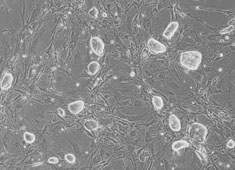
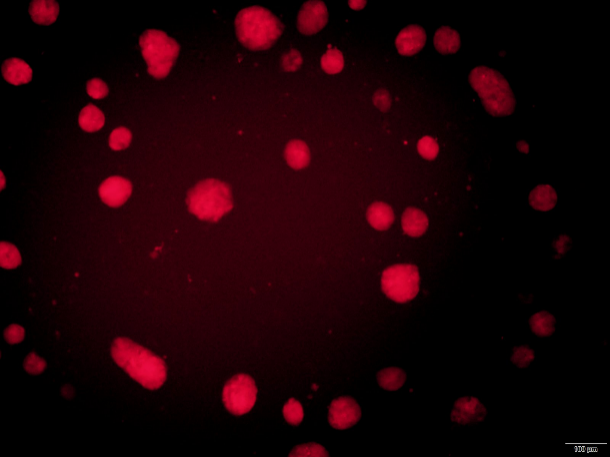
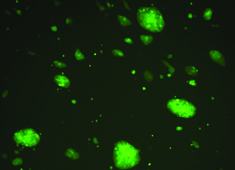
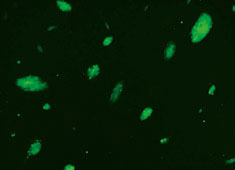
After in vitro expansion, OriCell™ C57BL/6 Mouse Embryonic Stem Cells with GFP maintain a normal diploid karyotype and express characteristic embryonic stem cell markers. They can form embryoid bodies (EBs) in vitro and give rise to teratomas in vivo. These cells serve as a valuable tool for basic and applied research across various fields, including developmental and regulatory biology, regenerative biology, and potential therapeutic approaches. In addition, genetic modification of embryonic stem cells followed by their introduction into the mouse germline represents an efficient strategy for generating genetically modified mice.
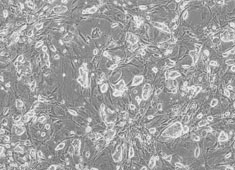
OriCell™ C57BL/6 Mouse Embryonic Stem Cells are derived from the inner cell mass of C57BL/6 mouse blastocysts at embryonic day 3.5 (E3.5). They are maintained on γ-irradiated mouse embryonic fibroblast (MEF) feeder layers using OriCell™ Complete Medium for Mouse Embryonic Stem Cells (Cat. No.: MUXES-90011). After transfection, they stably express the GFP reporter gene, are expanded through serial passaging, and finally cryopreserved for long-term storage.
When citing our products in academic publications, please use the following format: "OriCell™ [Product Name] + [Catalog Number], from Cyagen Biosciences."
Product Information
| Product Name | OriCell™ C57BL/6 Mouse Embryonic Stem Cells With GFP |
| Catalog Number | MUBES-01101 |
| Number of Cells | 1×10⁶ cells/vial |
| Passage Number | P23 |
| Storage at | Liquid Nitrogen(-196 ℃) |
QC
- Pass the detection of bacteria, fungi, mycoplasma, and endotoxins.
- Verified by cell recovery testing, with a post-thaw viability of > 50%.
- Verified by cell cycle analysis, with a doubling time < 72 h.
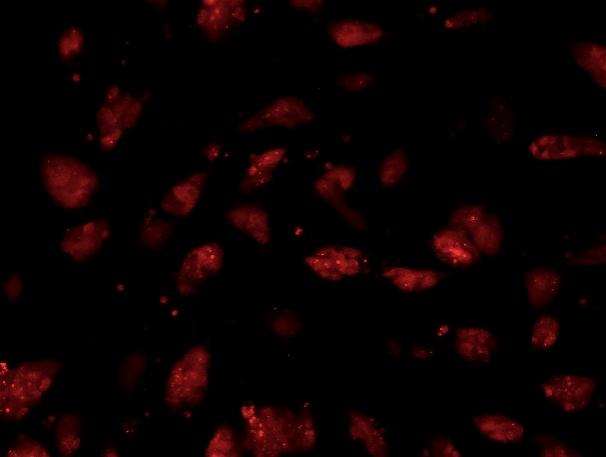
- Verified by flow cytometry: Positive for Oct4, SSEA-1 and Nanog (≥ 70%); Negative for SSEA-3 and SSEA-4 (≤ 5%).
Please refer to "COA" for details.
General Handling Principles
- Maintain strict aseptic technique. Ensure complete sterility throughout all procedures, particularly within the laminar flow hood and incubator.
- Follow standardized protocols. Adhere strictly to the product manual. Implement rigorous control over experimental variables and include appropriate parallel controls.
- Use high-quality consumables and reagents. This product requires culture vessels suitable for adherent growth, and the reuse of these vessels is not recommended. The reagents used must be validated for reliability, cell compatibility, and batch-to-batch consistency.
- Optimize seeding density and subculture. The recommended seeding density for OriCell™ C57BL/6 Mouse Embryonic Stem Cells with GFP is (1–2) × 10⁴ viable cells/cm². Since cell growth is highly dependent on donor characteristics and culture conditions, we recommend adjusting the split ratios based on the actual performance of each specific lot and passage.
Warm Notice: The cryopreservation medium of this product contains DMSO, which has potential risks. Please handle it carefully.