EN
EN
Balb/c Mouse Embryonic Stem Cells
Introduction
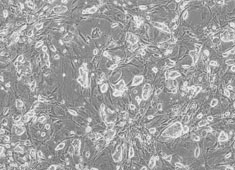
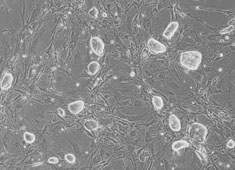
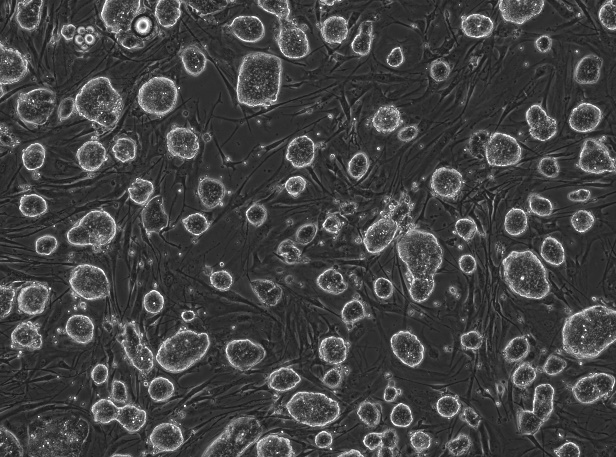
Cyagen OriCell™ Balb/c Mouse Embryonic Stem Cells (Balb/c mESCs) are pluripotent stem cells derived from the inner cell mass of 3.5-day Balb/c blastocysts. These cells are capable of unlimited proliferation in vitro and can differentiate into all three germ layers—ectoderm, endoderm, and mesoderm. Their developmental potential makes them an indispensable tool in developmental biology, gene function studies, regenerative medicine, and drug discovery.
Unlike adult stem cells, Balb/c mouse embryonic stem cells can proliferate indefinitely while maintaining pluripotency, making them highly valuable for long-term experiments and genetic modification studies.
Product Information
|
Product Name |
OriCell™ Balb/c Mouse Embryonic Stem Cells |
|
Catalog Number |
MUCES-01001 |
|
Number of Cells |
1×10⁶ cells/vial |
|
Passage Number |
P20 |
|
Storage at |
Liquid Nitrogen (-196℃) |
Quality Control
Every batch of OriCell™ Balb/c Mouse Embryonic Stem Cells is rigorously tested to ensure:
-
Negative for bacteria, fungi, mycoplasma, and endotoxins.
-
Viability > 50% upon recovery.
-
Doubling time < 72 hours.
-
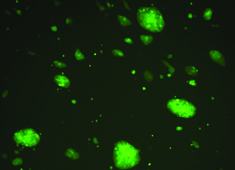
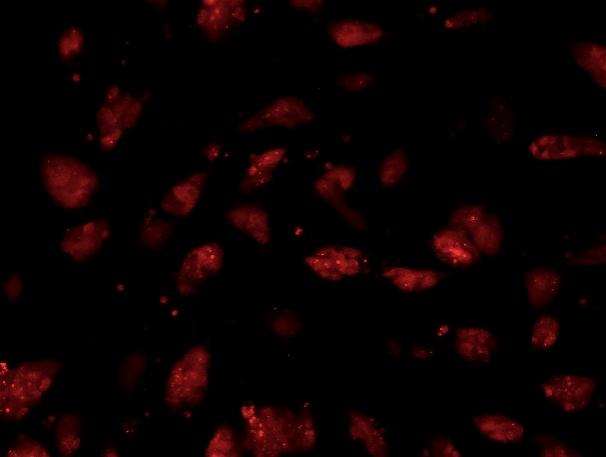
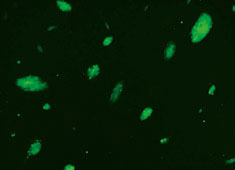
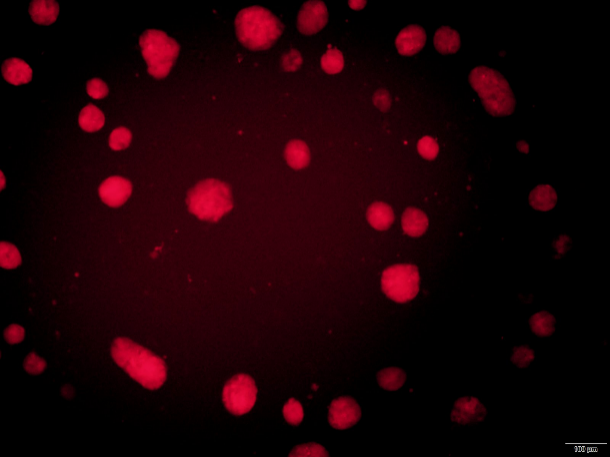
Express Oct4, SSEA-1, and Nanog (≥ 90%), and negative for SSEA-3/4 (≤ 5%).
-
Accompanied by a detailed Certificate of Analysis (COA).
General Handling Principles
-
Always maintain sterile conditions and use reliable reagents.
-
For feeder-dependent culture, use OriCell™ ICR Mouse Embryonic Fibroblasts (Cat. No.: MUIEF-01002).
-
For feeder-free conditions, use OriCell™ Serum-Free Medium for Mouse ESCs (Cat. No.: MUXES-90061).
-
Recommended seeding density: 1–2 × 10⁴ live cells/cm².
- Note: Cryopreservation solution contains DMSO. Handle with care.
Product Advantages
Cyagen OriCell™ Balb/c mESCs have undergone rigorous quality testing to ensure stability, safety, and reproducibility:
-
Quality Control Reports available and suitable for publication.
-
Free from contamination: tested negative for bacteria, fungi, mycoplasma, and endotoxins.
-
Stable karyotype: maintain normal diploid chromosomes after long-term passage.
-
Proven literature references: widely cited in academic publications.
-
High viability: robust proliferation and differentiation capabilities.
-
Cultured on γ-irradiated MEFs to ensure optimal support for stemness.
Recommended Culture Conditions
-
Cultured on feeder layers of γ-irradiated mouse embryonic fibroblasts (MEFs).
-
Recommended medium: OriCell™ Complete Medium for Mouse Embryonic Stem Cells (Cat. No.: MUXES-90011).
-
Cells can form embryoid bodies (EBs) in vitro and generate teratomas in vivo.
FAQ – Balb/c Mouse Embryonic Stem Cells
Q1: What are the advantages of using Balb/c mouse embryonic stem cells compared to C57BL/6 or 129 ESCs?
A: Balb/c ESCs are commonly used for transgenic mouse generation due to their reliable germline transmission and stable growth characteristics.
Q2: How should I culture OriCell™ Balb/c ESCs?
A: They should be maintained on γ-irradiated MEFs in OriCell™ Complete Medium for Mouse Embryonic Stem Cells (Cat. No.: MUXES-90011).
Q3: What markers confirm the pluripotency of Balb/c mESCs?
A: They express specific embryonic stem cell markers such as Oct4, Sox2, and Nanog, and can differentiate into all three germ layers.
Q4: Can OriCell™ Balb/c ESCs be used to generate genetically modified mice?
A: Yes. Genetic modification followed by germline transmission in Balb/c mice is an effective strategy to create transgenic mouse models.
Q5: What quality assurance do OriCell™ products provide?
A: All OriCell™ embryonic stem cell products are accompanied by QC reports, are free of contamination, and are validated by extensive literature citations.
Citation
When citing this product in academic research, please indicate:
"OriCell™ Balb/c Mouse Embryonic Stem Cells, Catalog No. [insert], from Cyagen Biosciences (Guangzhou) Inc."