EN
EN
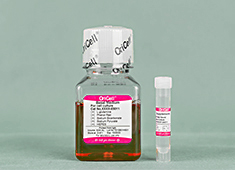
SD Fetal Rat Hippocampal Neurons
Introduction
Neurons, a type of nerve cell, connect with each other to form neural networks. They are the main components of the nervous system and serve as effective models for studying its function. Neurons are widely used in neurobiological research and the development of new treatments for Parkinson's disease and Alzheimer's disease.
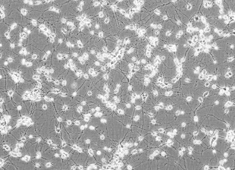
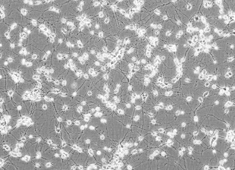
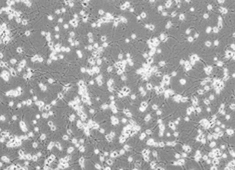
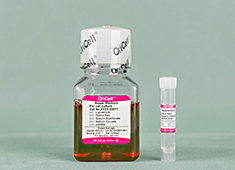
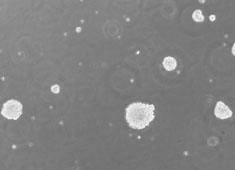
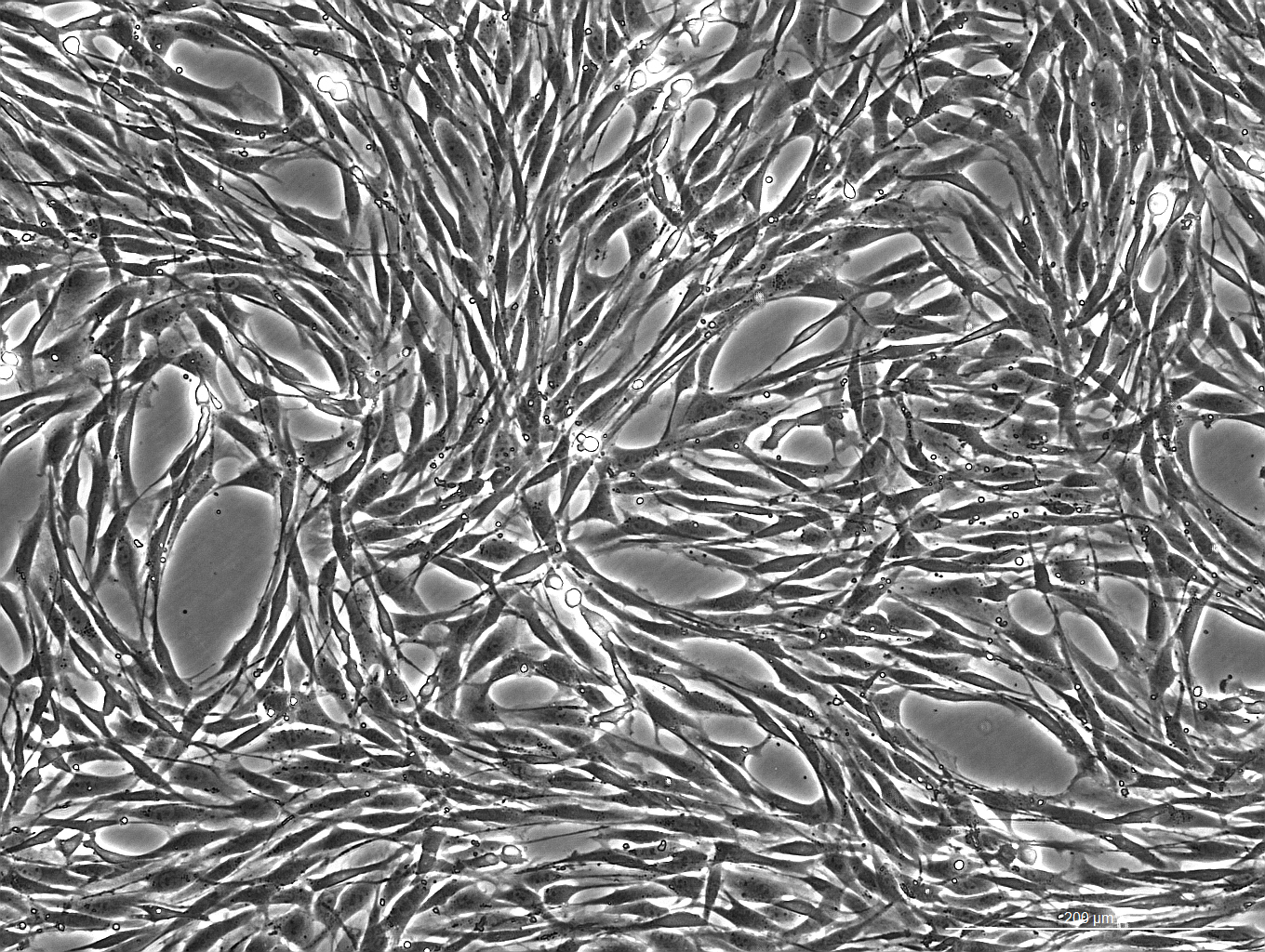
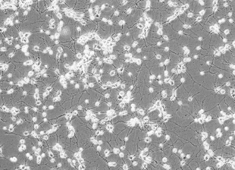
OriCell™ SD Fetal Rat Hippocampal Neurons are derived from the hippocampal tissue of 18.5-day Sprague-Dawley (SD) fetal rats and are cryopreserved at the primary culture stage. They express specific neuronal proteins and can be used as a cell model for research on proliferation, aging, immunity, and other related fields.
When citing our products in academic journals, please indicate "OriCell™ + Catalog Number, from Cyagen Biosciences (Guangzhou) Inc."
Product Information
| Product Name | OriCell™ SD Fetal Rat Hippocampal Neurons |
| Catalog Number | SHCFN-00001 |
| Amount of Cells | 1×10⁶ cells/vial |
| Passage Number | P0 |
| Storage at | Liquid Nitrogen (-196℃) |
QC
- Pass the detection of bacteria, fungi, mycoplasma and endotoxin.
- Pass the cell resuscitation test, the resuscitation survival rate is >50%.
- Pass the immunofluorescence detection, it expresses MAP2 and β-tubulin III (>70%) . But it does not express GFAP (<10%) .
Please refer to "COA" for details.
General Handing Principles
- Ensure that all equipment is kept clean and tidy.
- Please follow the instructions. Please operate according to the method described in the product manual, strictly control the variables, and do a controlled experiment.
- Use suitable and reliable consumables and reagents.This product needs to use a culture container suitable for the growth of adherent cells, and it is not recommended to reuse it. The reagents used must be validated, reliable, suitable for cell growth and have small batch-to-batch variation.
- OriCell™ SD Fetal Rat Hippocampal Neurons are usually inoculated at a density of (1~2) × 105 viable cells/cm2. The growth of this cell has a great relationship with the donor's own characteristics and the subsequent culture system.
Warm Notice: The cryopreservation solution of this product contains DMSO, which has potential risks. Please handle it carefully.