EN
EN
RSC 96 Rat Schwann Cell Line
Introduction
The RSC 96 Rat Schwann Cell Line (RSC 96) is a spontaneously transformed cell line established from long-term culture of primary rat Schwann cells. These cells are a type of glial cell in the peripheral nervous system, mainly responsible for the formation and maintenance of the myelin sheath surrounding nerve fibers. Tumor-related gene expression characteristics: Erb-B2 positive; Erb-B3 negative; cyclic nucleotide phosphodiesterase 1 (Cnp1, also known as CNPase) positive; laminin positive; myelin-associated glycoprotein (Mag), protein and mRNA positive.
The RSC 96 cell line is widely used in peripheral nervous system research. It serves as a common model for studying peripheral nerve injury repair, mechanisms of myelination, and related diseases. It can also be used to evaluate the effects of drugs on nerve regeneration and to explore cellular signaling pathways.
When citing our products in academic publications, please use the following format: "OriCell™ [Product Name] + [Catalog Number], from Cyagen Biosciences."
Product Information
| Name | OriCell™ RSC 96 Rat Schwann Cell Line |
| Alternative Name | RSC 96 |
| Catalog Number | R8-0601 |
| Amount of Cells | 1×10⁶ cells/vial |
| Tissue Origin | Rat Nerve |
| Cell Characteristics | Adherent Growth; Neural cell like |
| Culture Conditions | 95% air; 5% CO2; 37 ℃ |
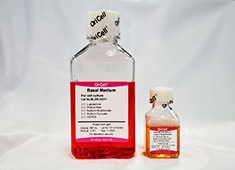
| Culture Medium | DMEM + 10% FBS |
| Doubling Time | 12~24 h |
| Biosafety Level | 1 |
| Storage at | Liquid Nitrogen (-196 ℃) |
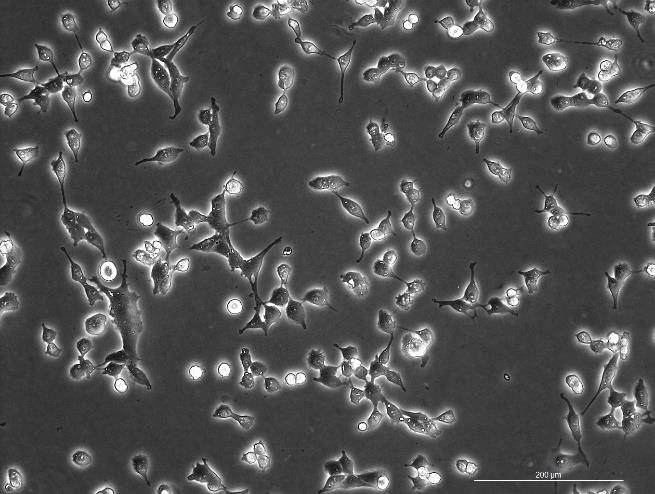
| Precautions | The cells exhibit two morphological types: neuron-like and round cells. When the culture becomes overconfluent, the cells round up and adhere loosely. Subculture can be performed when the cell density reaches approximately 80% confluence. |
QC
- Tested for bacteria, fungi, mycoplasma, and endotoxins.
- Tested for cell recovery viability.
- Tested by STR analysis.
Please refer to "COA" for details.
General Handing Principles
- Strict sterile environment. Ensure the cleanliness of the entire laboratory, laminar flow hood, and incubator.
- Follow standardized operating procedures. Adhere to the instructions described in the product manual, strictly control variables, and conduct proper control experiments.
- Use appropriate and high-quality consumables and reagents. This product requires culture vessels suitable for adherent cell growth, and their reuse is not recommended. The reagents used must be validated for reliability, suitable for cell growth, and exhibit minimal batch-to-batch variation.