
 EN
EN
How to Generate Embryoid Bodies from Embryonic Stem Cells: A Standardized ESC Differentiation Protocol
Embryonic stem cells (ESCs) are stem cells isolated from the inner cell mass of blastocysts. They can be cultured in vitro and possess developmental pluripotency, enabling spontaneous differentiation into various cell types. Under a defined in vitro suspension culture system, ESCs can spontaneously form three-dimensional embryoid bodies (EBs). These structures contain tissues derived from all three germ layers—endoderm, mesoderm, and ectoderm—and their developmental process closely recapitulates the morphogenetic events of mammalian embryos from pre-gastrulation to early gastrulation, corresponding to the critical developmental window of embryo implantation.
Cyagen OriCell has long been committed to stem cell research and has developed professional expertise and extensive experience in stem cell induction and differentiation. Leveraging a mature stem cell technology platform, we can provide a variety of experimental services for assessing stem cell differentiation potential.
How can EBs with uniform size and stable status be generated? In this article, we introduce an experimental method developed by Cyagen OriCell for preparing ESC-derived embryoid bodies.
Experimental Materials
Primary cells
OriCell mouse embryonic stem cells
Induction reagent kit
OriCell Embryoid Body Formation Medium For Mouse Embryonic Stem Cells (Cat. No. MUXES-90051)
For reagent preparation and induction procedures, please refer to the product manual.
Molecular Mechanisms of Embryoid Body Differentiation
| Stage | Molecular Mechanism |
|---|---|
| Pluripotency exit stage | Withdrawal of LIF or feeder cell support releases the signaling network that maintains stem cell pluripotency. |
| Cell self-organization process | E-cadherin-mediated cell adhesion promotes the formation of spherical aggregates under the influence of gravity. |
| Establishment of a three-dimensional signaling network | Morphogens such as BMP and Wnt form endogenous concentration gradients, mimicking the microenvironment of embryonic axial differentiation. |
Core Steps of Embryoid Body Differentiation
01 Embryoid Body Preparation: Suspension Culture Method
Culture dish pretreatment: Completely cover the culture surface with 0.1% gelatin solution; allow coating for 30 min, then aspirate the solution and air-dry in a biosafety cabinet for 30 min. Pay attention to eliminating air bubbles.
Cell preparation: Digest ESCs in the logarithmic growth phase into a single-cell suspension; remove MEF feeder cells using the differential adhesion method: centrifuge at 250 × g for 4 min, followed by adhesion at 37°C for 40 min.
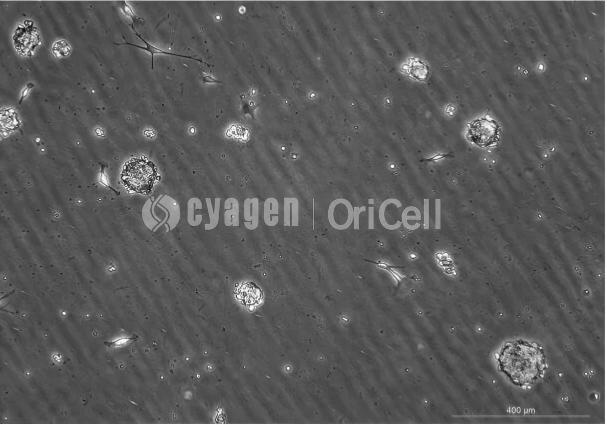
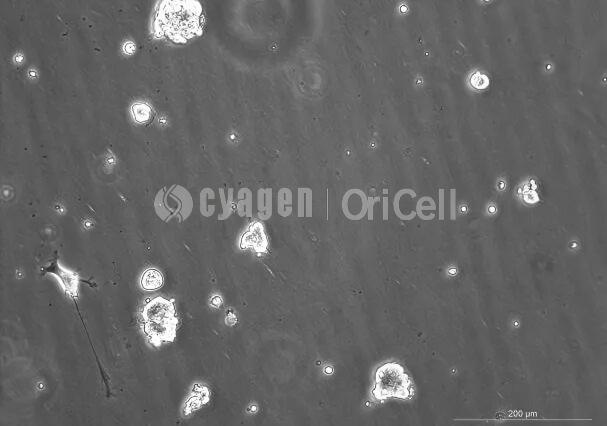
Suspension culture: Adjust the cell density to 5.5 × 10⁴ cells/mL; seed the cells into a non-TC-treated 60 mm culture dish; after 48 h, observe the formation of translucent EBs with a diameter of 50–100 μm.
Culture maintenance: Perform medium changes using gradient centrifugation, centrifuging at 180 × g for 1 min, or natural sedimentation; replace with fresh medium every 72 h to prevent central necrosis.
02 Adherent Induction Differentiation
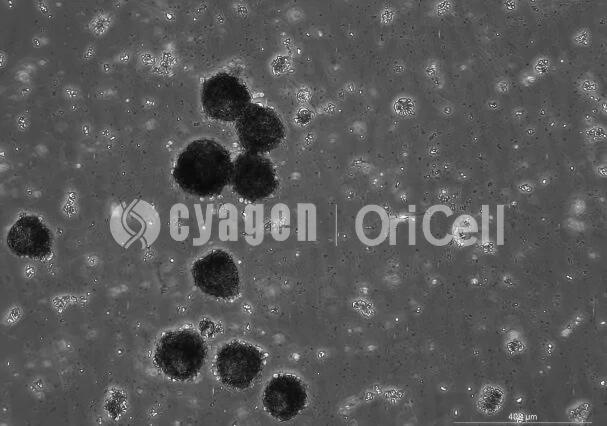
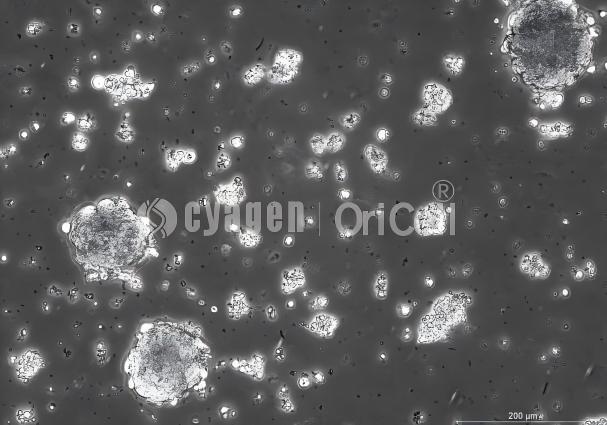
Differentiation initiation: Select EBs cultured for 5 days with a diameter of 200–300 μm; after centrifugation at 180 × g, seed them into a 24-well plate at a density of 8–12 EBs/well.
Phenotypic monitoring:
- • Use EB-specific differentiation medium;
- • Change the medium every 72 h during the 14-day culture period;
- • Observe spontaneous beating from days 5–7 onward; >30 beats/min serves as a marker of functional maturation.
Key Points
- • Quality control: Repeated adhesion steps are required to ensure stem cell purity >95%.
- • Digestion control: Terminate digestion using embryoid body formation medium to avoid cell damage.
- • Size control: Regularly separate oversized EB aggregates, as EBs >400 μm are prone to central necrosis.
Images of the Induction Process
Suspension culture in Day2
Suspension culture in Day5
Adherent induction in Day8
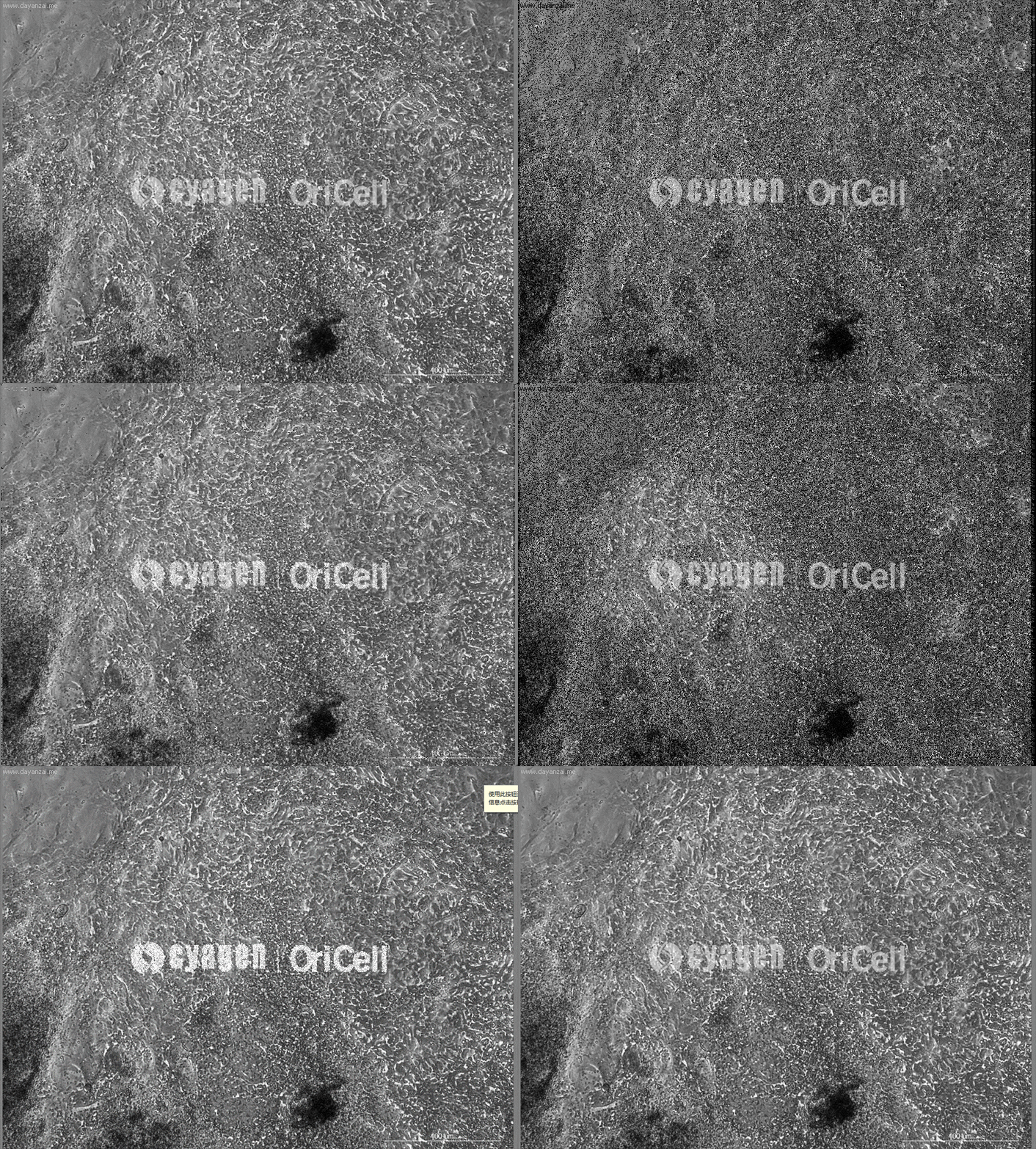
Adherent induction in Day10
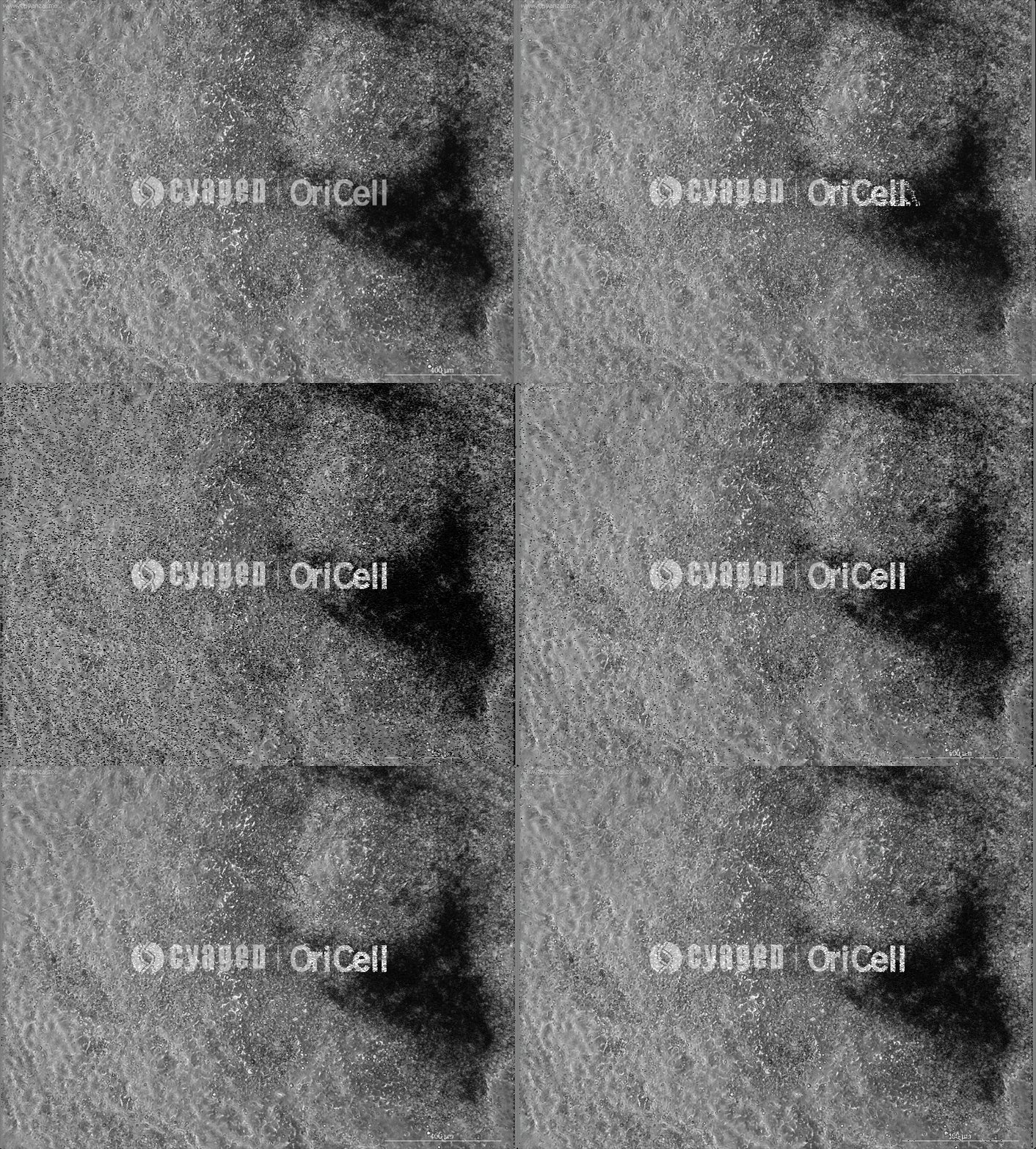
Adherent induction in Day12
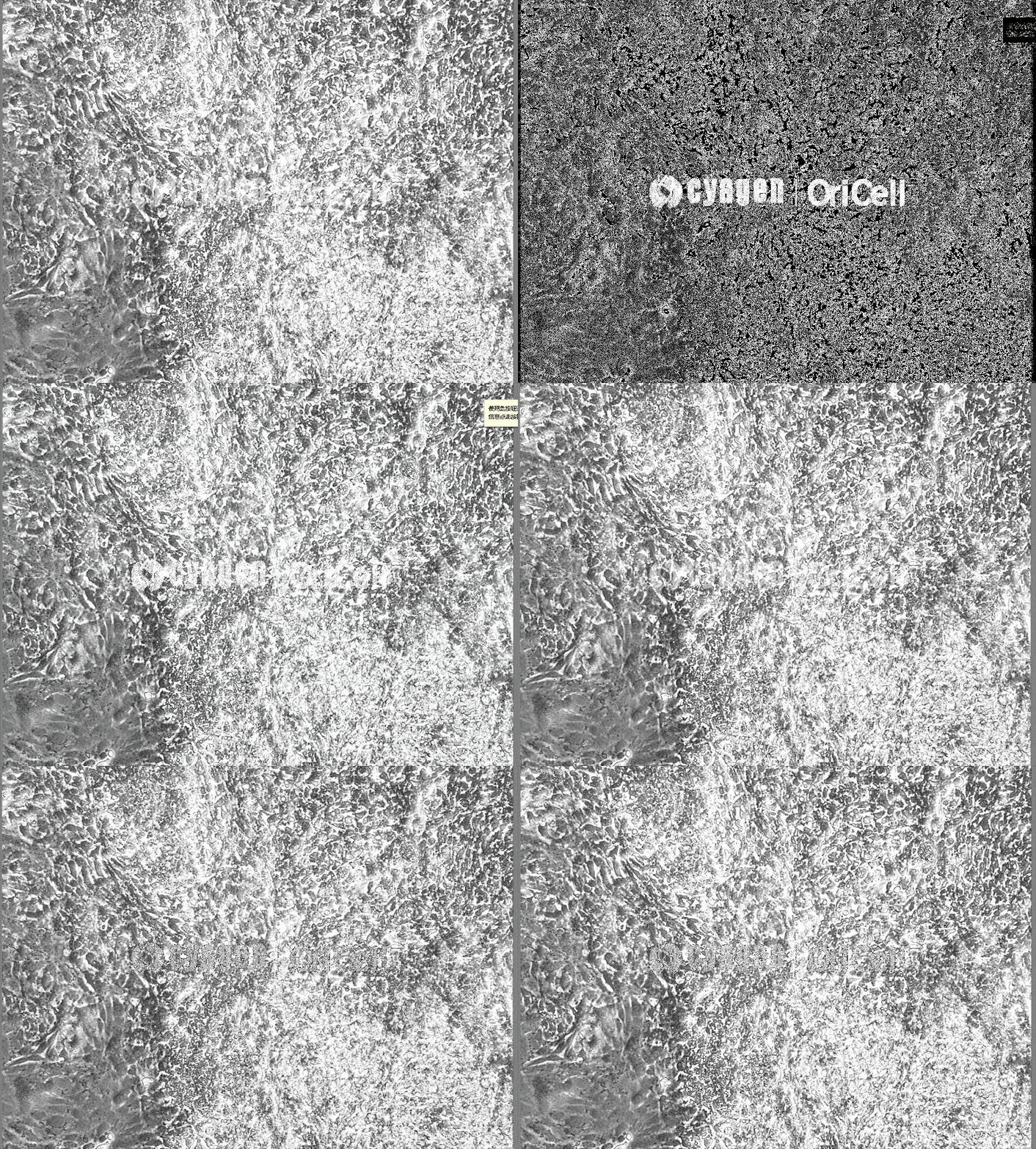
Adherent induction in Day13
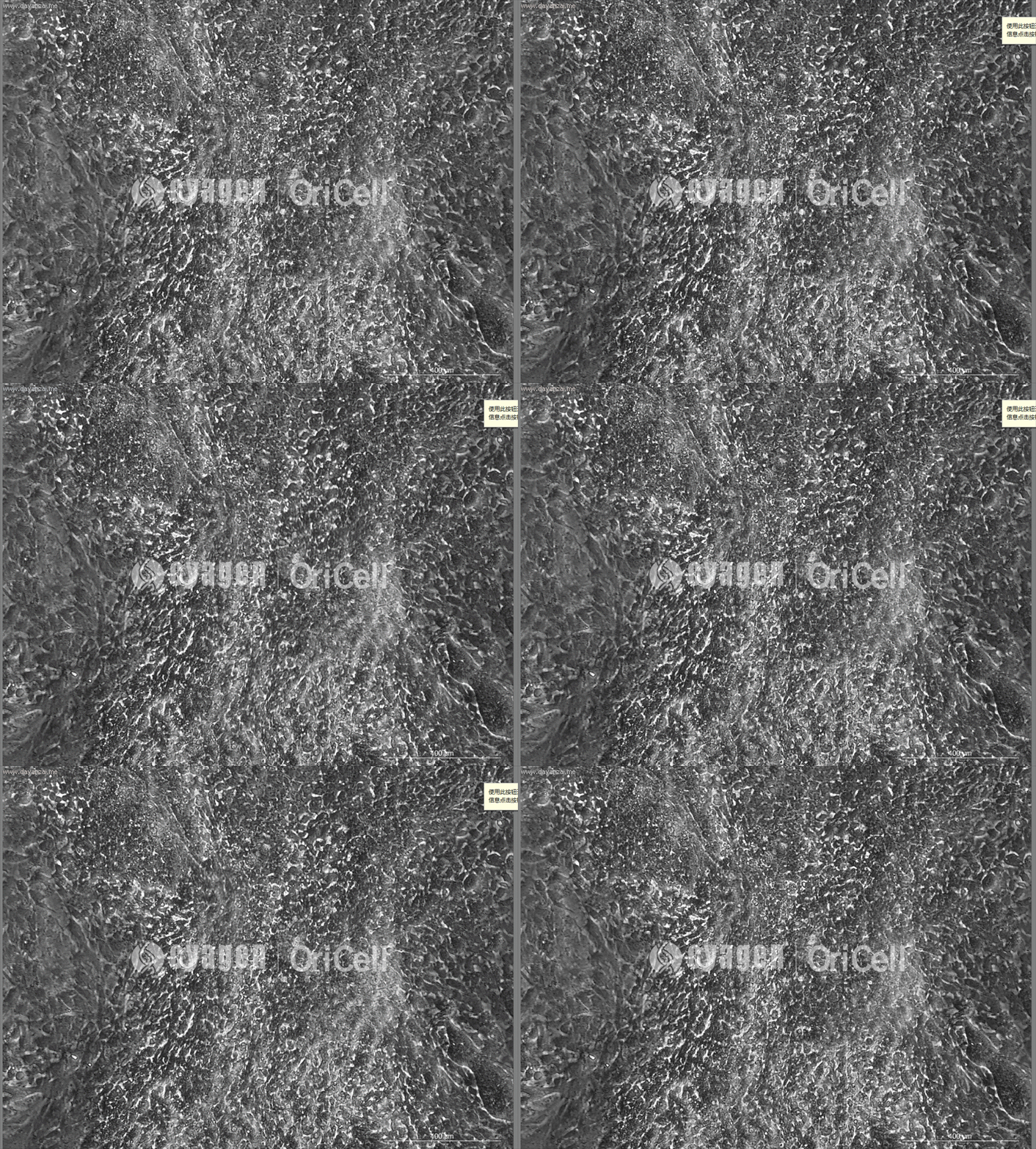
OriCell Featured Products
| Type | Product Name | Cat. No. | Size |
|---|---|---|---|
| Stem Cells | C57BL/6 Mouse Embryonic Stem Cells | MUBES-01001 | 1*10^6/vial |
| Stem Cells | 129 Mouse Embryonic Stem Cells | MUAES-01001 | 1*10^6/vial |
| Stem Cells | Balb/c Mouse Embryonic Stem Cells | MUCES-01001 | 1*10^6/vial |
| Cell Culture Media | Complete Medium For Mouse Embryonic Stem Cells | MUXES-90011 | 500mL |
| Cell Culture Media | Serum Free Medium For Mouse Embryonic Stem Cells (Type I, With Feeder Layer) | MUXES-90062 | 500mL |
| Cell Culture Media | Serum Free Medium For Mouse Embryonic Stem Cells (Type II, Feeder-free) | MUXES-90061 | 500mL |
| Differentiation Medium | Embryoid Body Formation Medium For Mouse Embryonic Stem Cells | MUXES-90051 | 500mL |
Cyagen OriCell has long been dedicated to stem cell research, with professional expertise and extensive experience in stem cell induction and differentiation. Leveraging our well-established stem cell technology platform, we provide embryoid body formation reagents and experimental services for assessing stem cell differentiation potential.
About Cyagen OriCell
Cyagen OriCell is a Cyagen brand focused on the research and development of cell biology products, including stem cells, primary cells, and cell lines, as well as cell culture reagents and technical services. Serving universities, research institutes, hospitals, CROs, and CDMOs worldwide, Cyagen OriCell has accumulated extensive expertise in cell isolation and culture. The team has developed "spatial replication" culture technology to rapidly establish growth-supportive environments, and runs an Antibiotic-Free process grounded in strict environmental, materials, and personnel controls. Cyagen OriCell provides end-to-end solutions—from MSC isolation and identification to directed differentiation and assay services.
Cyagen OriCell's offerings are cited in over 10,000 publications, with a cumulative impact factor exceeding 90,000 and more than 160,000 citations, and the team has supported more than 3,000 research groups. Products are used by tens of thousands of customers across dozens of countries and regions.

