EN
EN
Embryoid Body Formation Medium For Mouse Embryonic Stem Cells
Introduction
Embryonic stem cells (ESCs) are totipotent stem cells derived from the inner cell mass of the blastocyst. They have the ability to differentiate into ectoderm, endoderm, and mesoderm, and can develop into various cell types. Unlike other stem cells, embryonic stem cells possess unlimited proliferative capacity. The plasticity and unlimited proliferation ability of embryonic stem cells make them a research hotspot in regenerative medicine and tissue engineering.
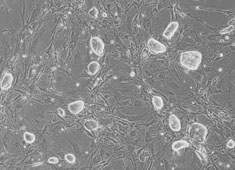
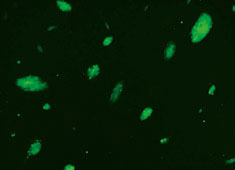
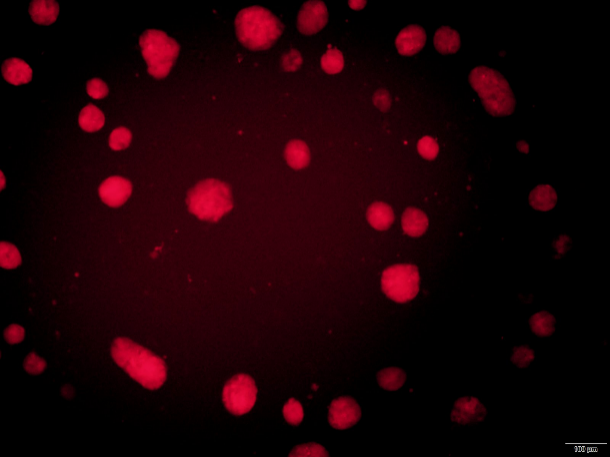
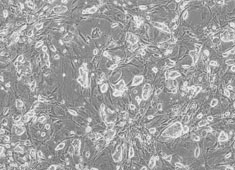
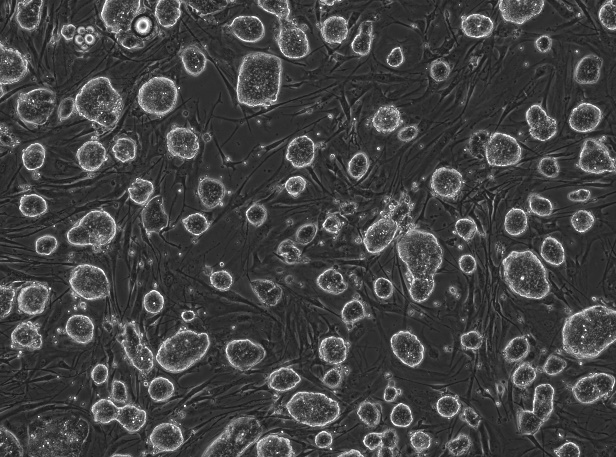
The formation of embryoid body (EB) is a key step in the differentiation of embryonic stem cells. In the absence of mouse embryonic fibroblast (MEF) feeder layers, embryonic stem cells spontaneously differentiate to form three-dimensional aggregates under the stimulation of EB formation medium. This structure facilitates cell interactions, such as cell-cell contact and gap junction formation.
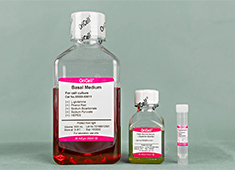
The OriCell™ research team has carefully developed the OriCell™ Embryoid Body Formation Medium For Mouse Embryonic Stem Cells, which includes the EB formation basal medium, OriCell™ Fetal Bovine Serum (Superior-Quality), and other additives necessary for cell growth.
OriCell™ Embryoid Body Formation Medium For Mouse Embryonic Stem Cells can enhance the ability of mouse embryonic stem cells (ESCs) to differentiate and form EB. This product can be used to culture EB either by the hanging drop method or in non-adhesive petri dishes for suspension culture.
When citing our products in academic publications, please use the following format: "OriCell™ [Product Name] + [Catalog Number], from Cyagen Biosciences."
Product Information
| Components | Catalog Number | Volume | Storage |
| OriCell™ Basal Medium For Cell Culture | BHDM-03011 | 447 mL | 4 ℃ |
| OriCell™ Fetal Bovine Serum (Superior-Quality) | FBSSR-01021 | 50 mL | -20 ℃ |
| OriCell™ Supplements For Mouse Embryoid Body Formation | MUXES-04051 | 3 mL | -20 ℃ |
QC
- Pass the detection of bacteria, fungi, mycoplasma, and endotoxins.
- Pass the detection of osmotic pressure and pH.
- Pass the detection of product quality.
Please reference "COA" for details.
General Handing Principles
- Maintain strict aseptic technique. Ensure complete sterility throughout all procedures, particularly within the laminar flow hood and incubator.
- Follow standardized protocols. Adhere strictly to the product manual instructions. Implement rigorous control over experimental variables and include appropriate parallel controls.
- Ensure proper storage and use. Store all components according to specified conditions and use them promptly to ensure optimal performance.
- Aliquot for long-term storage. If the entire volume will not be used up immediately, prepare the medium in batches according to the specified component volume ratios and store in aliquots.
Product Stability and Storage Conditions
- All components must be stored away from light.
- The basal medium has a shelf life of 1 year and should be stored at 4 °C. Other component has a shelf life of 2 years and should be stored at -20 °C.
- Once prepared, the medium has a shelf life of 1 month when stored at 4 °C. The shelf life may be extended up to a maximum of 45 days, provided that culture conditions remain stable, the container is properly sealed, and repeated temperature fluctuations are avoided.
- Use all components before the expiration dates. Expired components may severely compromise culture performance.